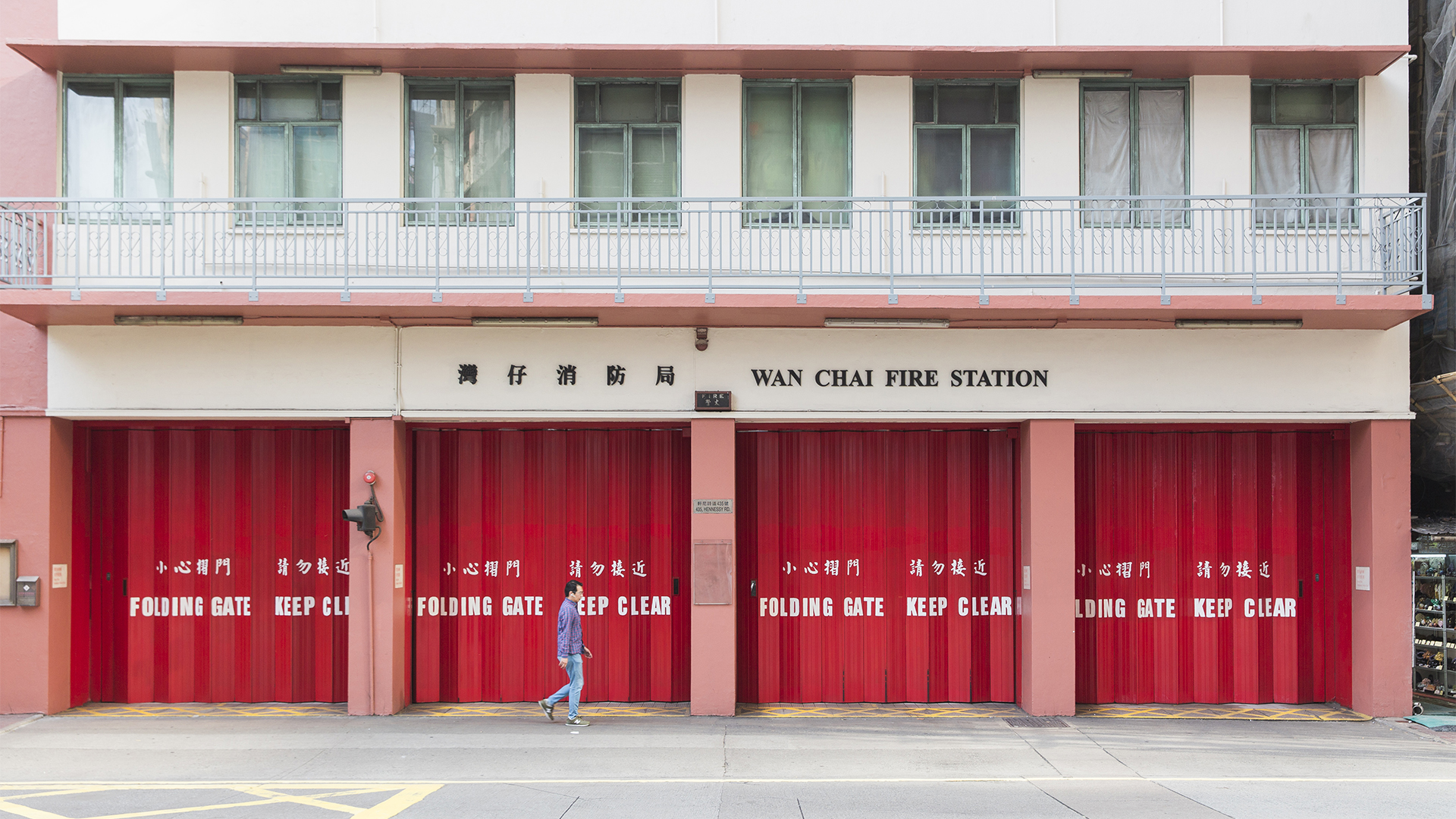
Wan Chai Fire Station
435 Hennessy Road
Wan Chai Fire Station is the oldest fire station still standing in Hong Kong. Its maroon facade and retro-style balconies distinguish it from other fire stations in the city, which have followed a standard design since 1958. In 1966, Hong Kong experienced a drought so severe that the Water Authority put a ban in place, during which fire stations had to share their water supply with the general public and would only receive water every four days until the drought ended.
Wan Chai Fire Station stands next to the Canal Road flyover on Hennessy Road. Evelyn Phoa would pass by the Wan Chai Fire Station every day on her way to school. “I couldn’t help but wonder what was happening behind those doors,” she says. The four-storey building houses offices, a canteen, dormitory for on-duty firemen, a recreation room, kitchen and bathroom, married quarters and more.
More Stories
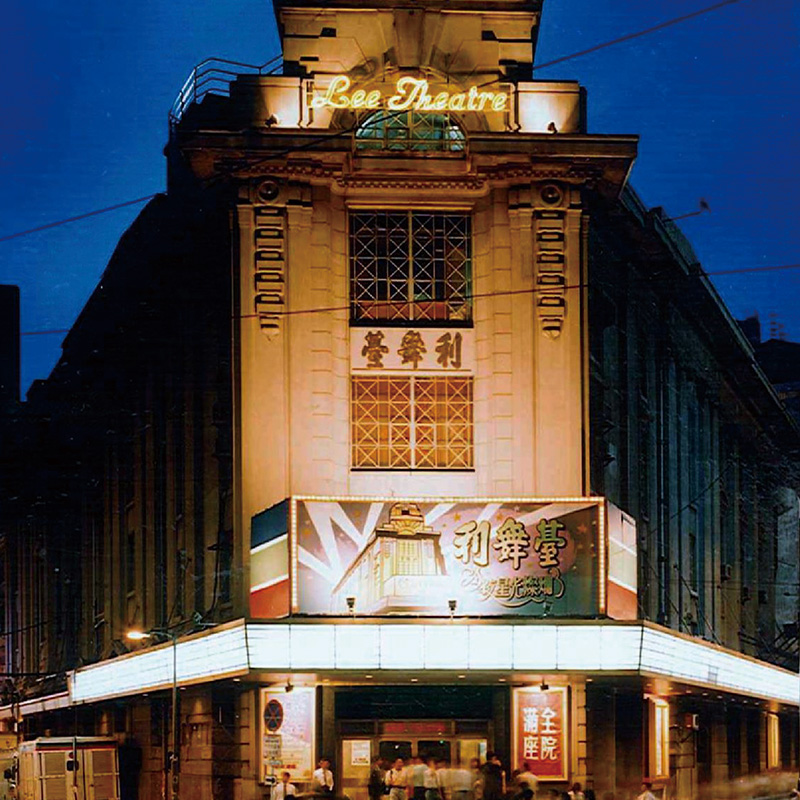
Causeway Bay: Then & Now
Feature
Causeway Bay embodies the many facets of Hong Kong – the fast pace, fascinating contrasts and dynamic energy. From the city’s very beginning to the present day, its diversity and vibrancy makes it a beloved neighbourhood.
-
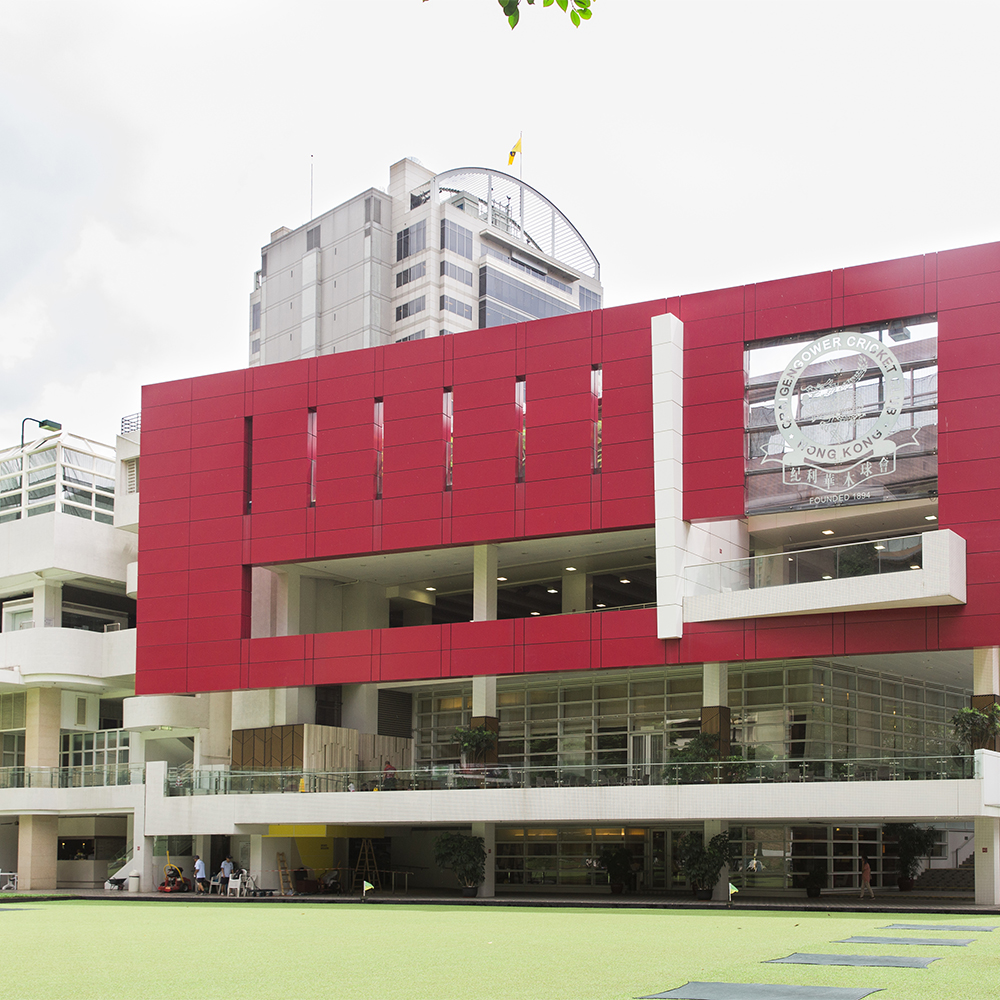
Craigengower Cricket Club
188 Wong Nai Chung Road
Founded in 1894 and originally located on Bonham Road, the Craigengower Cricket Club was constructed for the students of Victoria English School.
-

Mimosa Lee
Salesperson
“My favourite thing in Causeway Bay? The sound of the peanut shells crunching under my feet at Inn Side Out back when it was in Sunning Plaza. I had some great…
-
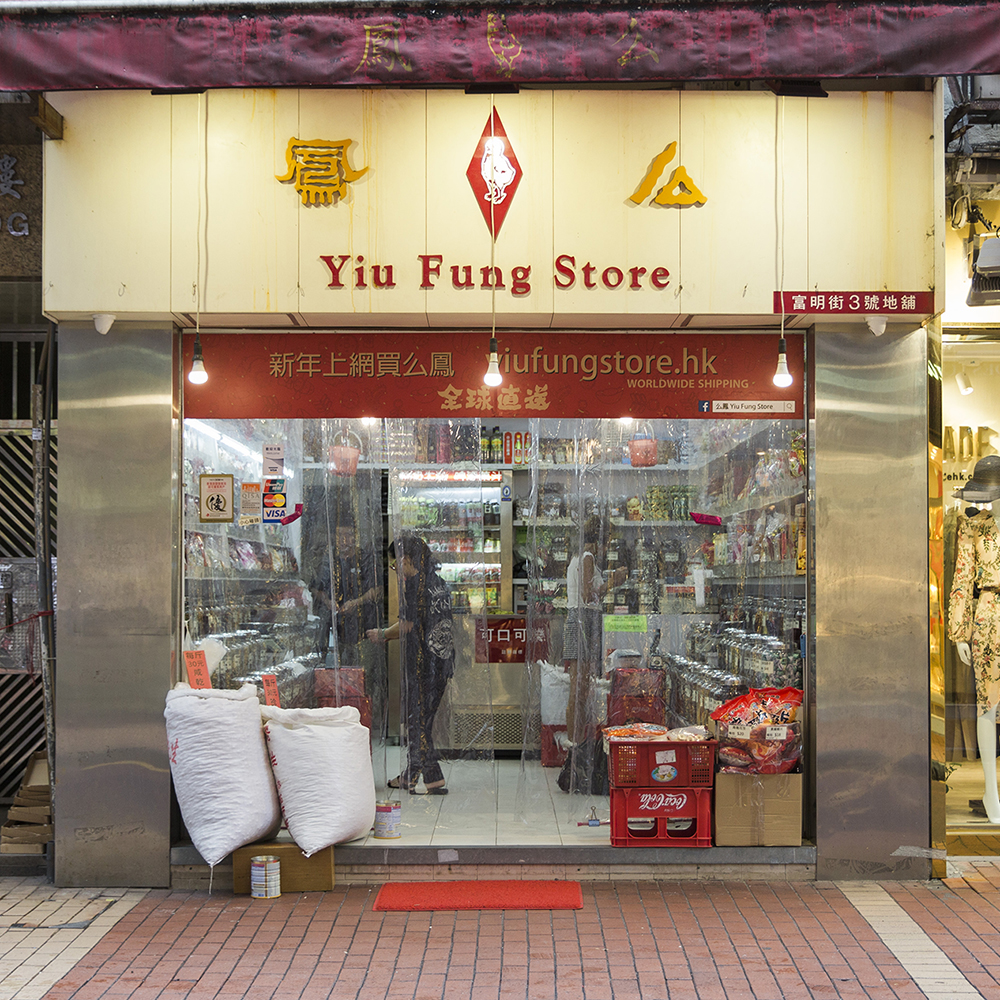
Yiu Fung
3 Foo Ming Street
Established in Shanghai and brought to Hong Kong around 60 years ago, Yiu Fung specialises in Chinese snacks: pickled and preserved fruits, nuts and also dried meat products such as beef, pork and fish…
-
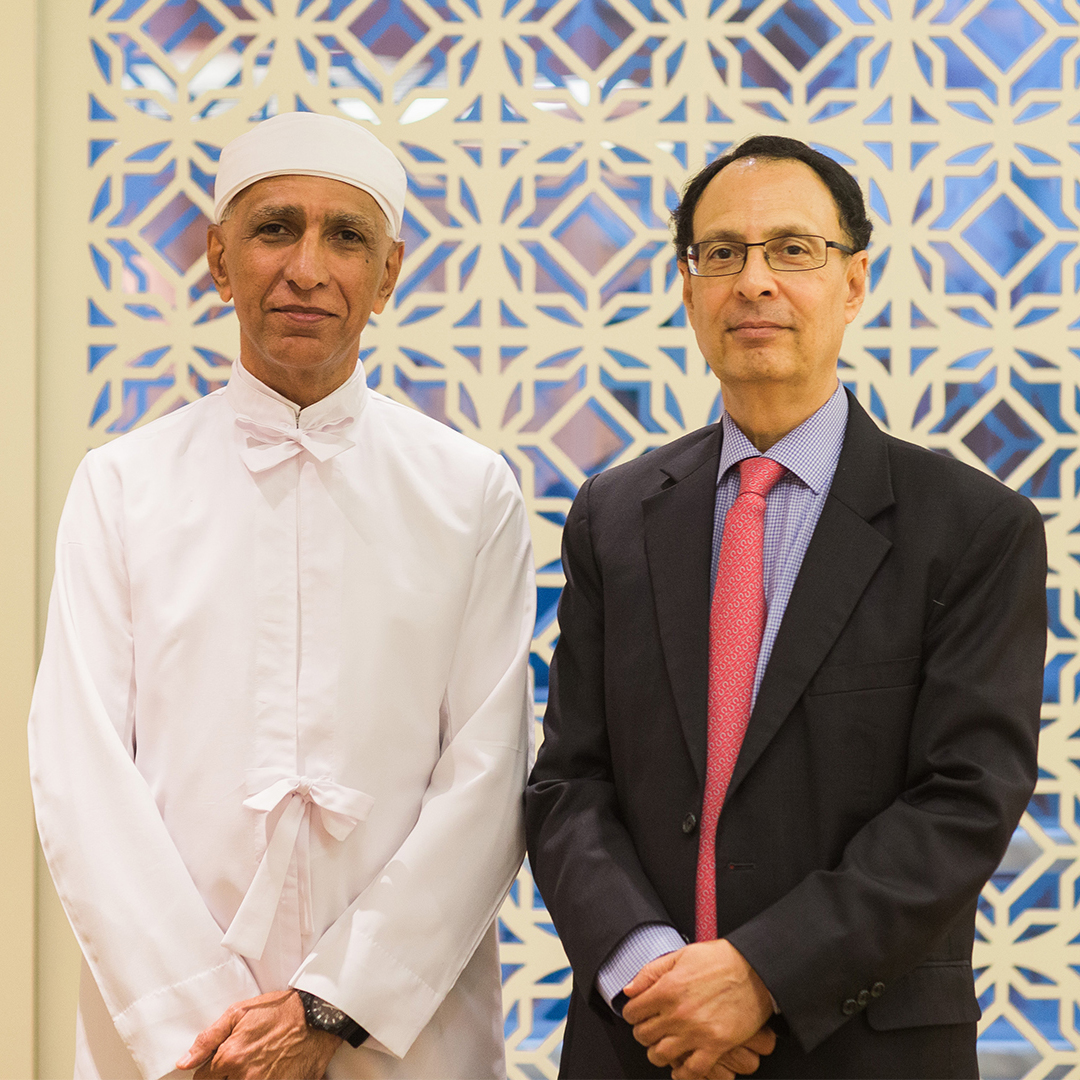
Zoroastrian Prayer Hall in Causeway Bay
Neville Shroff, President, and Ervad Homyar Nasirabadwala, Priest of The Incorporated Trustees of the Zoroastrian Charity Funds of Hong Kong, Canton & Macao
Zoroastrianism is known as the oldest practiced religion in the world: originating in ancient Persia over three thousand years ago…
-
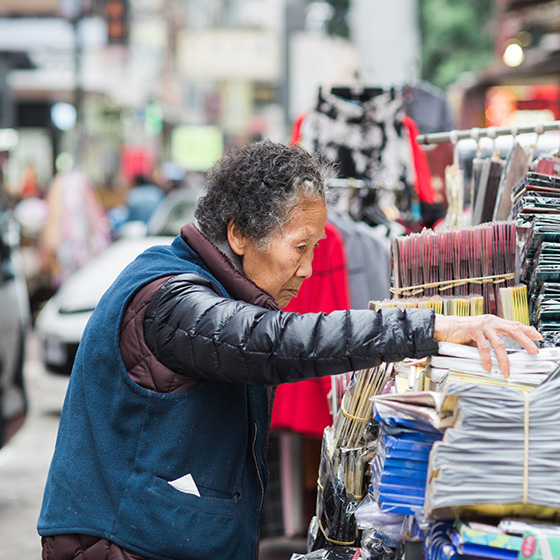
Auntie Yuk
Pantyhose vendor on Pak Sha Road
“I’ve had customers, including celebrities and politicians, who would definitely get upset if I ever moved my stall. I’m sure they’d be asking people…
-

Amanda & Rebecca Li
Twins
“We love this bear so much, we tried to match our outfits with him today…
-

Marian
Tourist
“I’m a flight attendant from Holland and I’m here for two nights. I come to Hong Kong a few times a year for work and sometimes I go sightseeing but this time…
-

Grace Lam
Fashion stylist
Causeway Bay has always been part of life for Grace Lam. Growing up in Hong Kong, she attended St. Paul’s Convent School for kindergarten…

Celebrating Causeway Bay
Feature
A neighbourhood in flux, Causeway Bay’s constant evolution keeps residents and visitors coming back for more. Whether it’s fashion, food, film or art, it’s a part of Hong Kong that keeps people mesmerised and inspired.
Causeway Bay: Then & Now
Feature
Causeway Bay embodies the many facets of Hong Kong – the fast pace, fascinating contrasts and dynamic energy. From the city’s very beginning to the present day, its diversity and vibrancy makes it a beloved neighbourhood.
-
Auntie Yuk
Pantyhose vendor on Pak Sha Road
“I’ve had customers, including celebrities and politicians, who would definitely get upset if I ever moved my stall. I’m sure they’d be asking people…
-
Amanda & Rebecca Li
Twins
“We love this bear so much, we tried to match our outfits with him today…
-
Marian
Tourist
“I’m a flight attendant from Holland and I’m here for two nights. I come to Hong Kong a few times a year for work and sometimes I go sightseeing but this time…
-
Grace Lam
Fashion stylist
Causeway Bay has always been part of life for Grace Lam. Growing up in Hong Kong, she attended St. Paul’s Convent School for kindergarten…